The right containers can transform your refrigerator organization. This guide helps you choose materials, sizes, and styles that work best for your needs and budget.
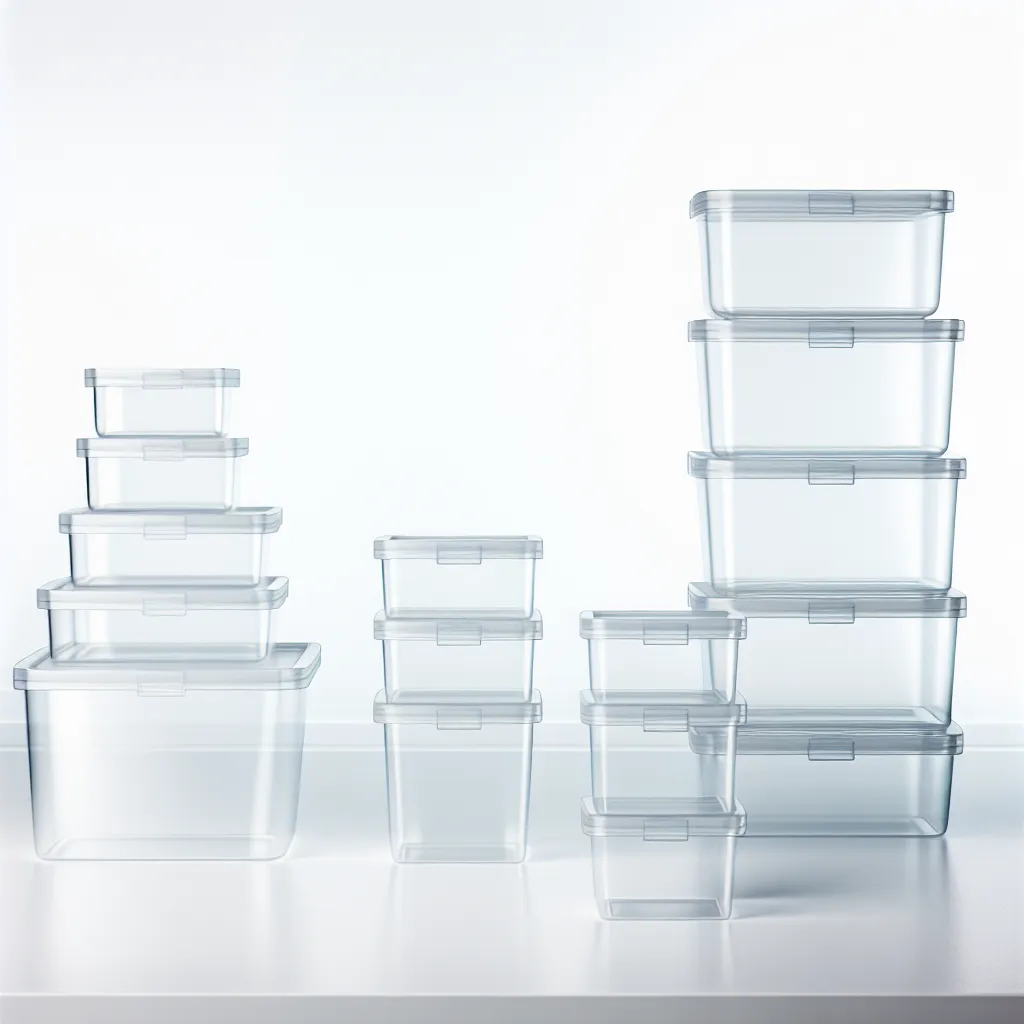
Glass Containers
Durable, eco-friendly, and versatile. Glass containers are the gold standard for food storage.
Advantages
- No chemical leaching
- Microwave and oven safe
- Doesn't stain or retain odors
- Dishwasher safe
- Lasts for years
- Eco-friendly and recyclable
Disadvantages
- Heavier than plastic
- Can break if dropped
- More expensive initially
- Takes up more space
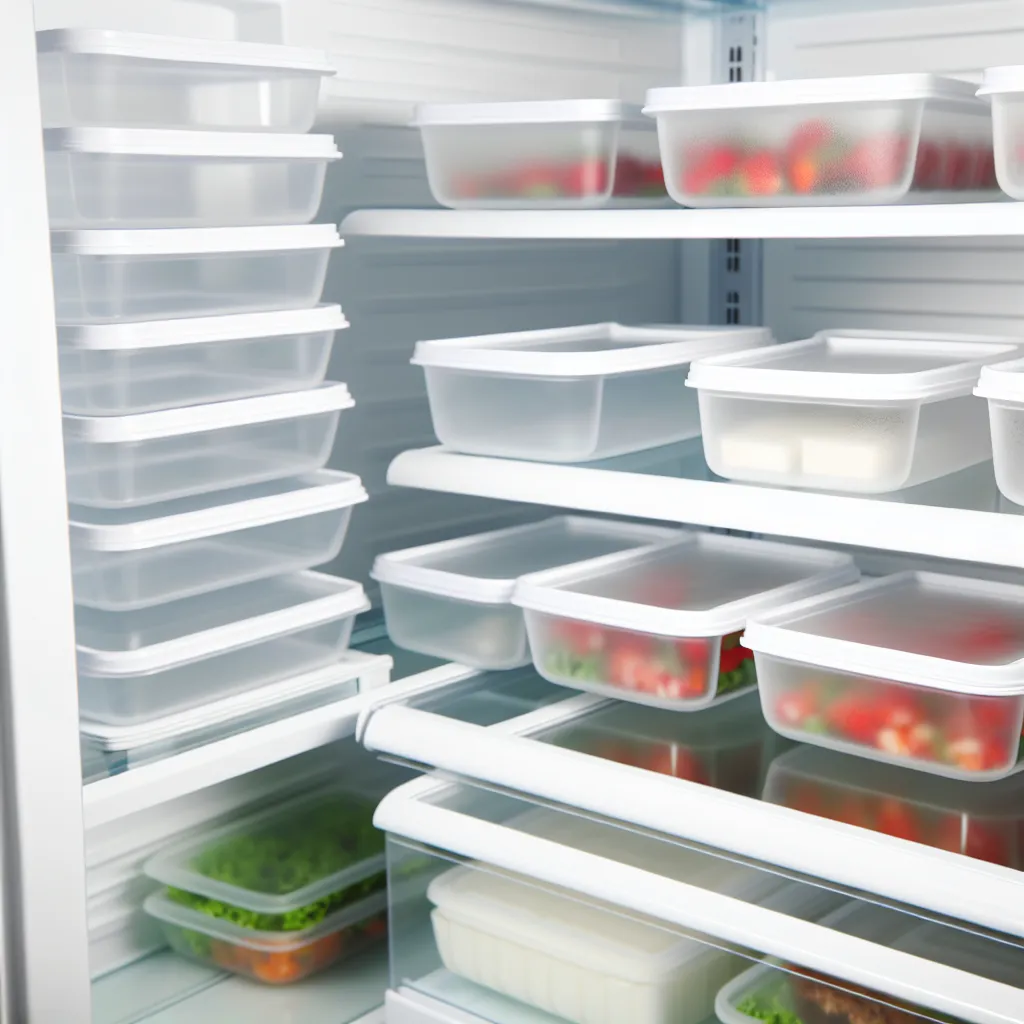
BPA-Free Plastic
Lightweight and affordable option when choosing quality, food-safe plastics.
Advantages
- Lightweight and portable
- Shatterproof
- Affordable
- Wide variety of sizes
- Stackable designs
Disadvantages
- Can stain easily
- May retain odors
- Not all are microwave safe
- Degrades over time
- Environmental concerns
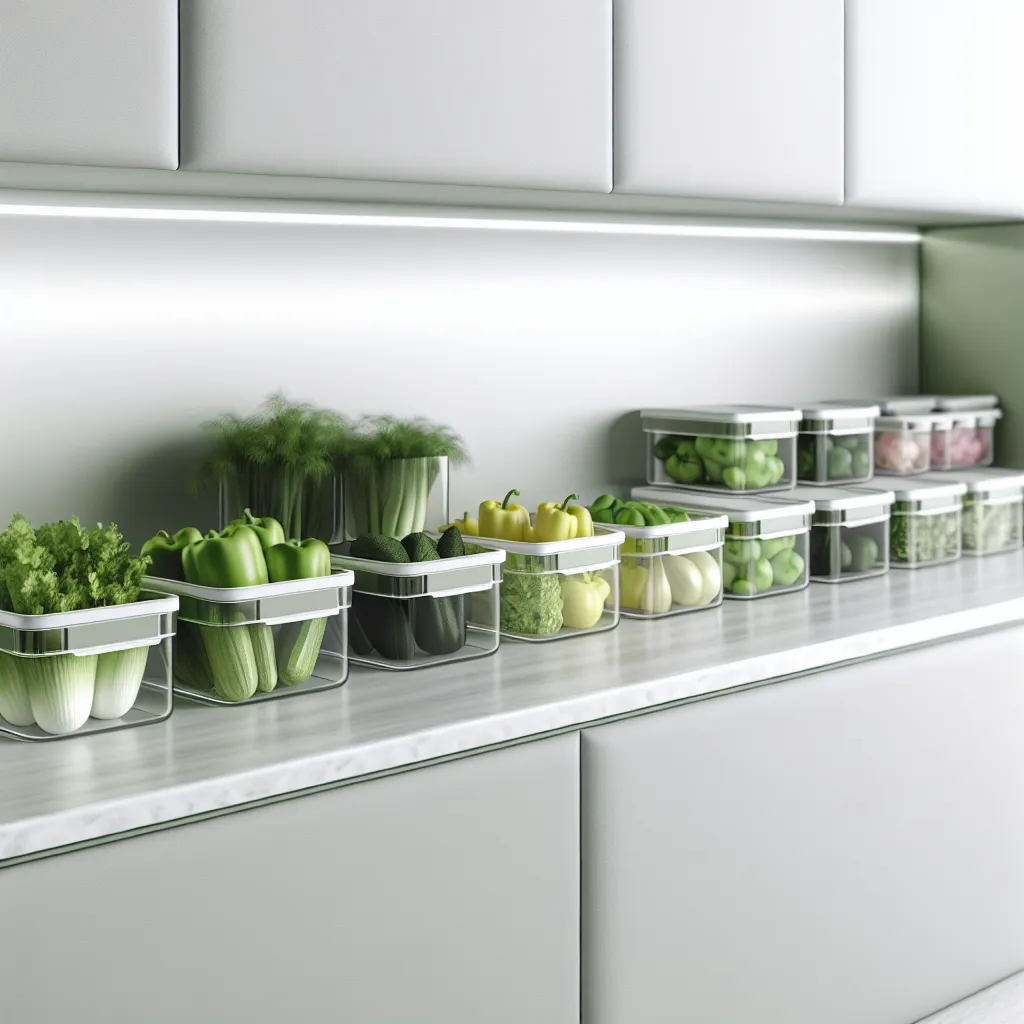
Clear Storage Bins
Large bins perfect for grouping similar items and maximizing space.
Advantages
- See contents at a glance
- Maximize vertical space
- Easy to pull out and access
- Group similar items
- Various size options
Disadvantages
- Not airtight
- Food needs additional wrapping
- Can be bulky
Silicone Storage
Modern, eco-friendly alternative to plastic bags and wraps.
Advantages
- Reusable and durable
- Freezer and microwave safe
- Flexible and space-saving
- Easy to clean
- Environmentally friendly
Disadvantages
- Higher initial cost
- Not as rigid as containers
- Limited size options
- Can pick up odors
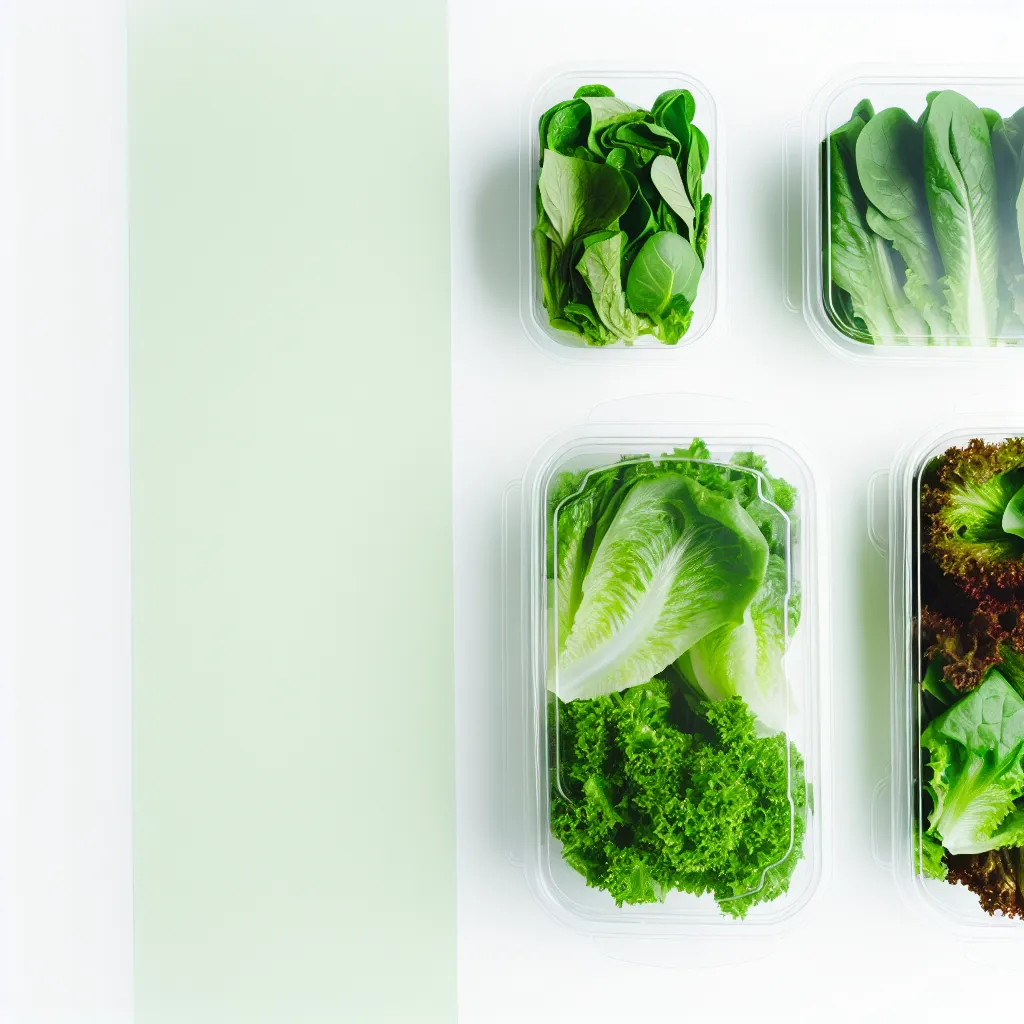
Specialty Produce Containers
Designed specifically for extending produce freshness.
Advantages
- Ventilation for freshness
- Moisture control features
- Extends produce life
- Various sizes for different items
Disadvantages
- Only for produce
- More expensive
- Can take up space
- Requires specific use
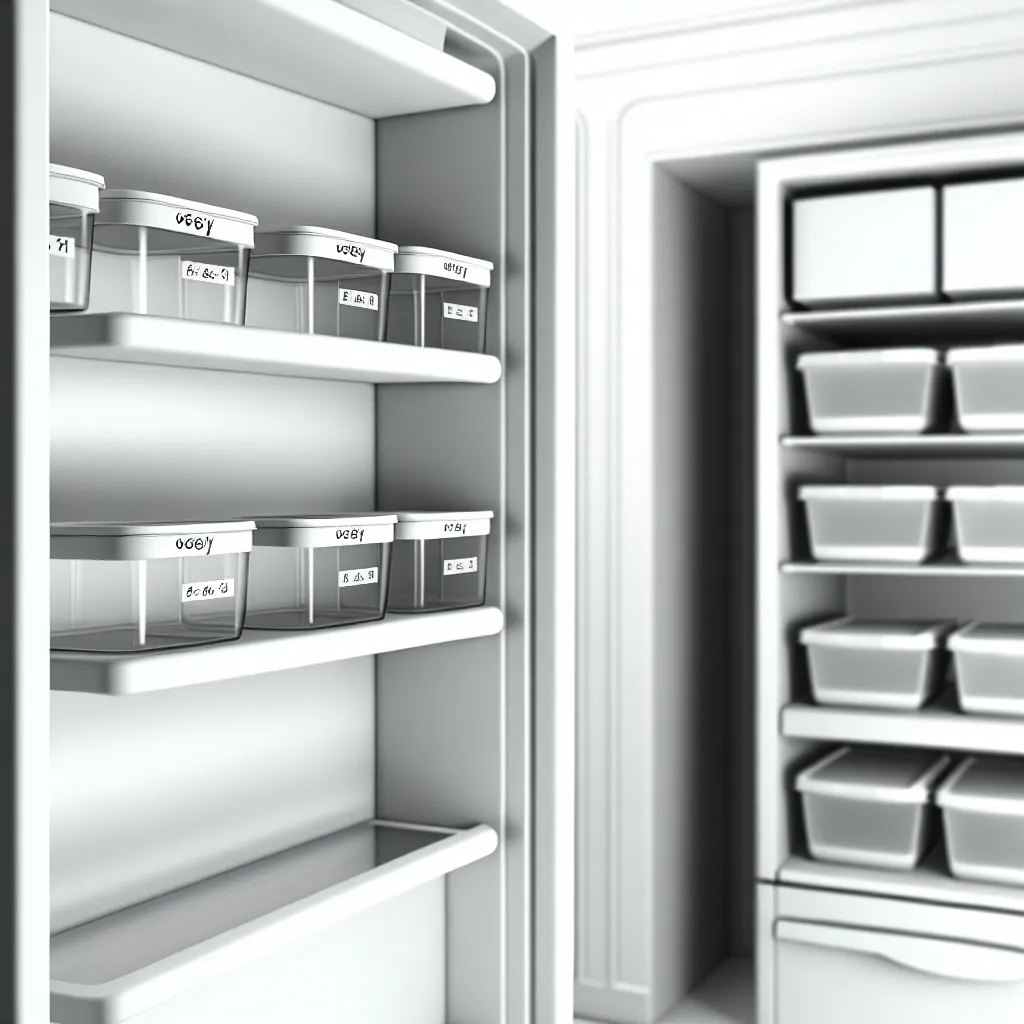
Stackable Sets
Uniform sizes that nest together for efficient storage.
Advantages
- Maximize vertical space
- Uniform appearance
- Interchangeable lids
- Easy organization
- Space-efficient
Disadvantages
- Larger upfront investment
- Fixed size options
- All or nothing purchase
Choosing the Right Size
Small (1-2 cups)
Sauces, dips, single portions, herbs, small leftover amounts, baby food
Medium (2-4 cups)
Individual meals, cut vegetables, fruits, snacks, sandwich components
Large (4-8 cups)
Family portions, salads, batch cooking, marinating proteins, large leftovers
Extra Large (8+ cups)
Whole meals, party preparations, bulk storage, large batch cooking
Essential Features to Look For
✓ Airtight Seals
Prevents odor transfer and keeps food fresh longer. Essential for liquids and leftovers.
✓ Transparent
See contents without opening. Critical for maintaining organization and reducing waste.
✓ Dishwasher Safe
Easy cleaning encourages consistent use. Check temperature limits for different materials.
✓ Space Efficient
Stackable or nestable designs maximize limited refrigerator space.
✓ Label-Friendly
Smooth surfaces or designated areas for labels and dates.
✓ Durable
Quality construction ensures years of use, making the investment worthwhile.