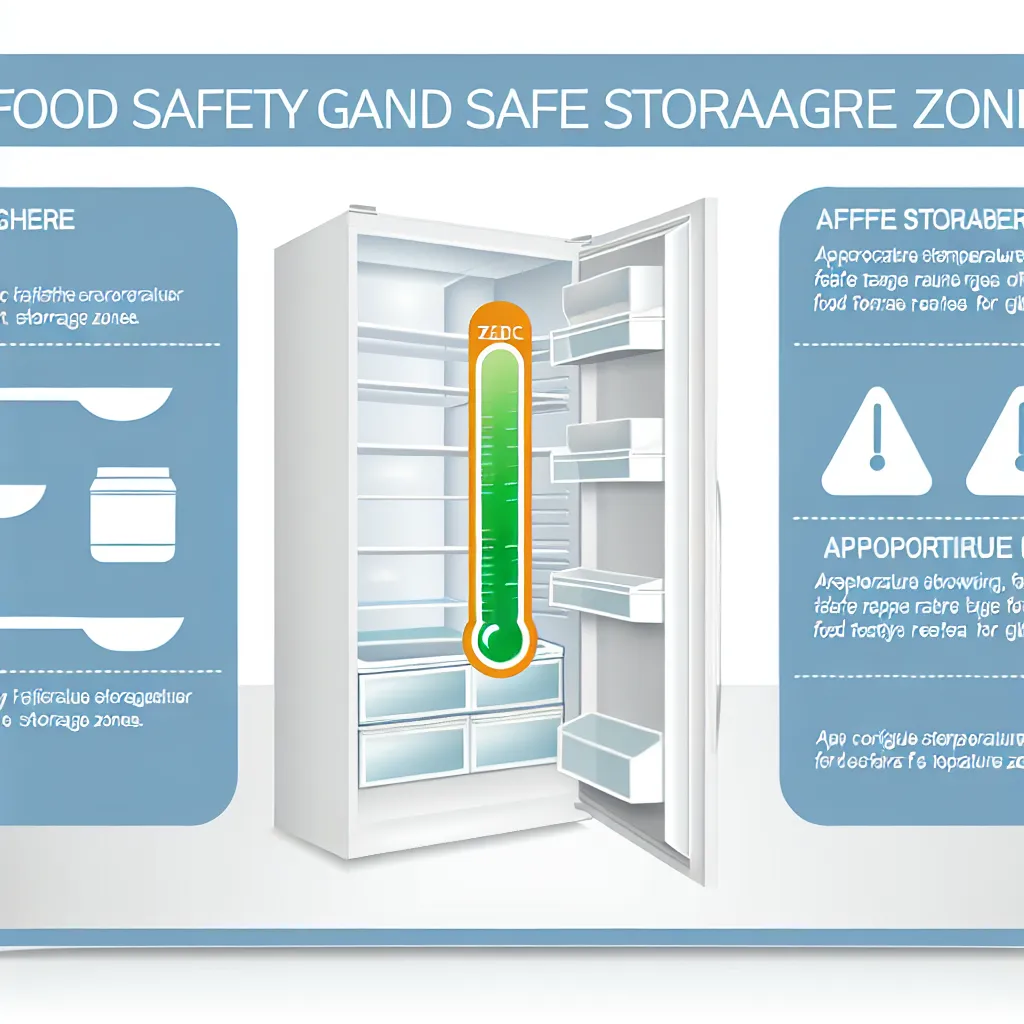
Temperature Danger Zones
Bacteria multiply rapidly. Never leave perishable food at room temperature for more than 2 hours.
Optimal refrigerator temperature. Slows bacterial growth while maintaining food quality.
Stops bacterial growth. Food remains safe indefinitely, though quality may degrade over time.
Preventing Cross-Contamination
Cross-contamination occurs when bacteria transfer from one food to another, often from raw to ready-to-eat foods. This is one of the leading causes of foodborne illness.
Key Prevention Strategies:
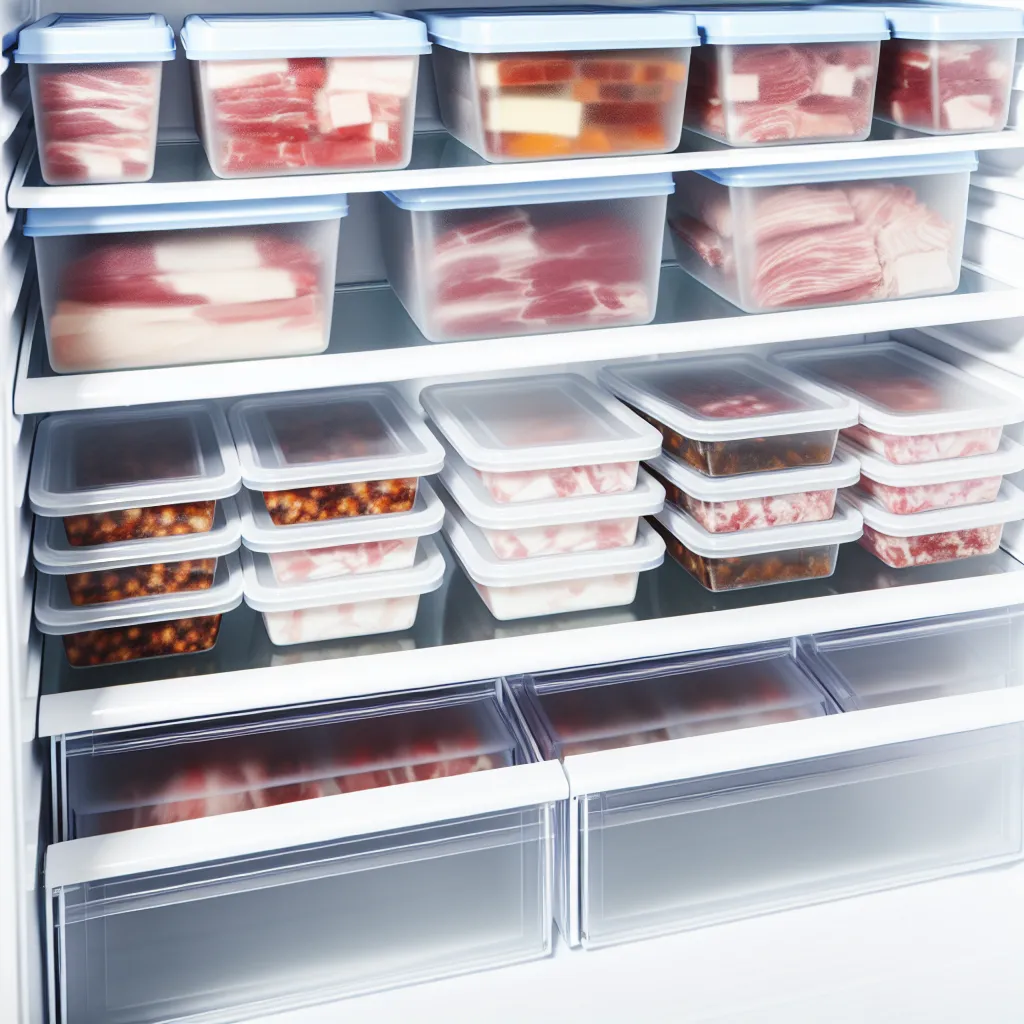
- Always store raw meat, poultry, and seafood on the bottom shelf in sealed containers
- Use separate cutting boards for raw proteins and produce
- Wrap all raw proteins in leak-proof containers or bags
- Store ready-to-eat foods on upper shelves, away from raw items
- Clean up spills immediately with hot, soapy water
- Never place cooked food on a plate that held raw meat
⚠️ Critical Rule
Raw meat juices should NEVER come into contact with other foods. Even a small drip can transfer harmful bacteria.
Safe Protein Storage
Proteins are high-risk foods that require special attention to prevent bacterial growth and foodborne illness.
Raw Meat Storage:
- Store at 32-34°F on the bottom shelf
- Use within 1-2 days or freeze
- Keep in original packaging or sealed containers
- Place on a tray to catch any drips
Cooked Meat Storage:
- Cool to room temperature within 2 hours of cooking
- Store in shallow, airtight containers
- Use within 3-4 days
- Reheat to 165°F internal temperature
Fish and Seafood:
- Most perishable protein - use within 1-2 days
- Store at coldest part of refrigerator
- Keep in moisture-proof wrapping
- Discard if it develops strong odor
Leftover Safety Guidelines
Proper handling of leftovers prevents food waste while maintaining safety and quality.
The Two-Hour Rule:
Perishable food should not sit at room temperature for more than 2 hours (1 hour if temperature is above 90°F). Bacteria multiply rapidly in the "danger zone" between 40°F and 140°F.
Cooling Strategy:
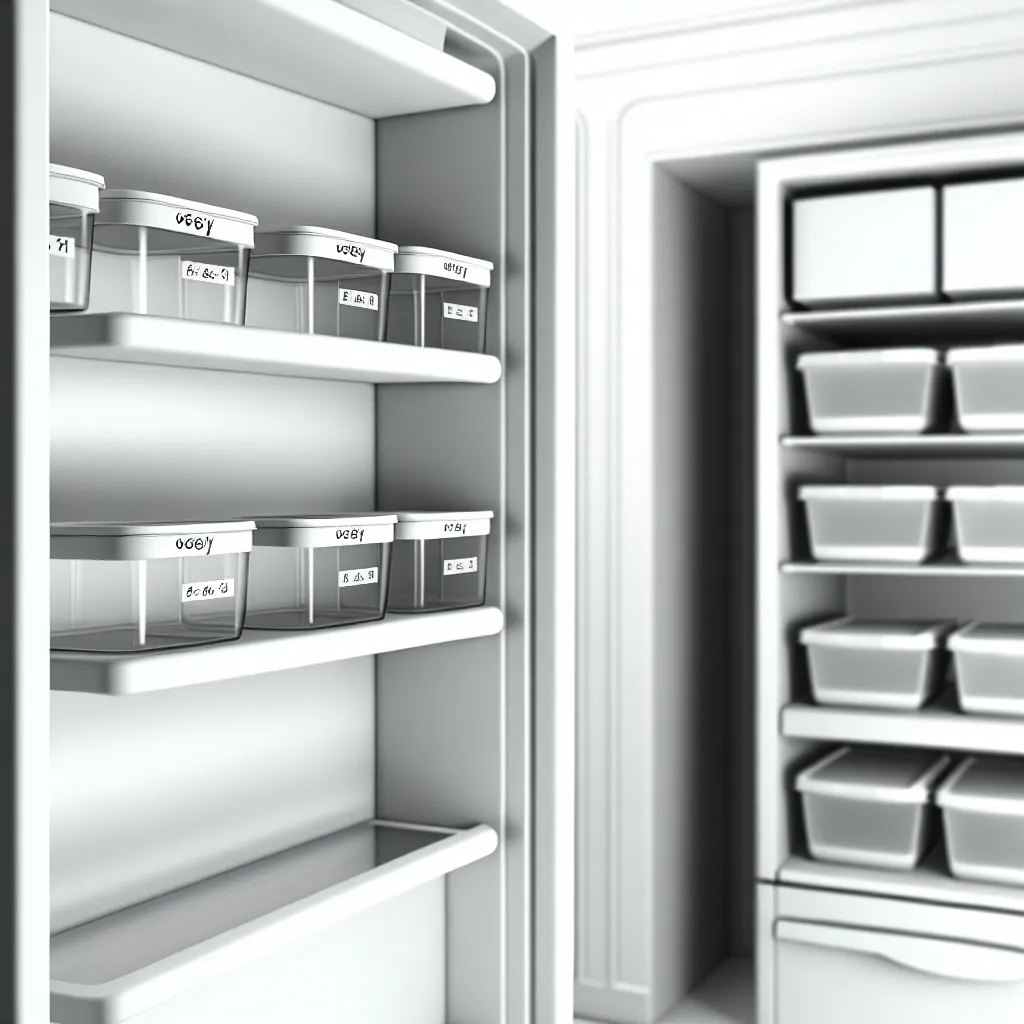
- Divide large amounts into smaller, shallow containers
- This allows food to cool quickly and evenly
- Never put hot containers directly into refrigerator - cool slightly first
- Leave space between containers for air circulation
Storage Duration:
- Most leftovers: 3-4 days
- Soups and stews: 3-4 days
- Cooked vegetables: 3-4 days
- Pizza: 3-4 days
- Hard-boiled eggs: 7 days
Reheating Safety:
- Reheat leftovers to 165°F internal temperature
- Bring soups, sauces, and gravies to a rolling boil
- Reheat only once - don't repeatedly heat and cool
- Use a food thermometer to verify temperature
Refrigerator Hygiene
A clean refrigerator is essential for food safety. Regular cleaning prevents bacterial growth and cross-contamination.
Weekly Maintenance:
- Wipe up spills immediately with hot, soapy water
- Check for expired items and discard promptly
- Wipe door handles and frequently touched surfaces
- Empty and clean drip tray if accessible
Monthly Deep Clean:
- Remove all items and check expiration dates
- Remove shelves and drawers, wash with hot soapy water
- Wipe interior walls with baking soda solution (1 tablespoon per quart of water)
- Clean door gaskets to maintain proper seal
- Vacuum condenser coils for efficiency
🧼 Cleaning Tip
Avoid harsh chemicals inside your refrigerator. Baking soda and water or mild dish soap are safest and won't leave chemical residues on food-contact surfaces.
Signs of Spoilage
Trust your senses, but know the warning signs:
Visual Indicators:
- Mold growth (fuzzy spots, discoloration)
- Slimy texture on meat or produce
- Excessive liquid or moisture
- Color changes (browning, graying)
Smell Test:
- Sour or off odors
- Ammonia smell (particularly in dairy)
- Rotten or putrid smells
- Unusual fermentation odors
Texture Changes:
- Slimy or sticky surfaces
- Mushy or overly soft texture
- Dried out or hardened food
- Separated or curdled appearance
When in doubt, throw it out. No food is worth the risk of foodborne illness.