The Environmental Impact of Food Waste
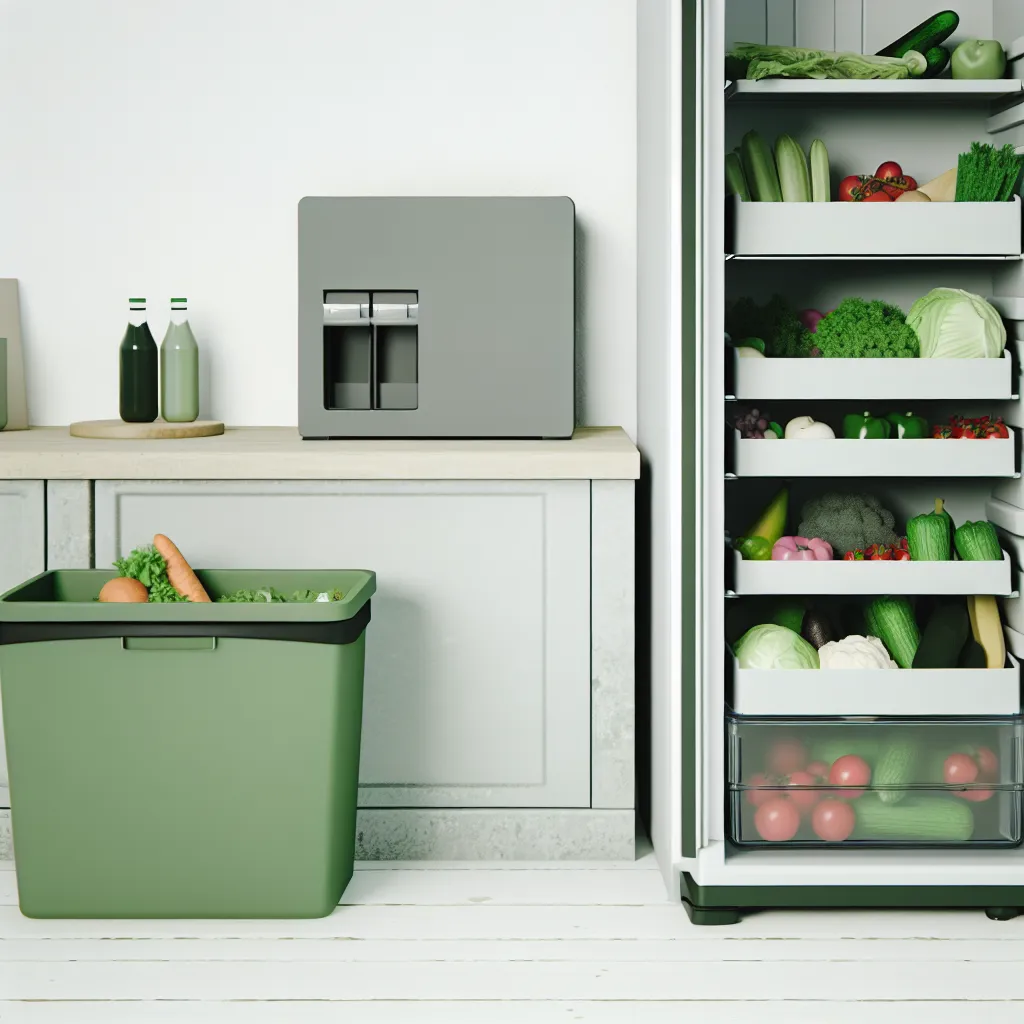
Food waste is one of the largest contributors to greenhouse gas emissions. When organic matter decomposes in landfills, it produces methane, a greenhouse gas 25 times more potent than carbon dioxide.
By organizing your refrigerator effectively, you directly reduce your environmental impact. Every item you save from the trash contributes to a more sustainable future.
How Organization Reduces Waste
Proper refrigerator organization directly impacts how much food you waste. When you can see what you have, items don't get forgotten and spoil.
- Visual Clarity: Clear containers and organized zones mean nothing hides in the back
- First-In-First-Out: Proper rotation ensures older items get used first
- Extended Freshness: Correct storage temperatures and humidity extend food life
- Portion Control: Clear visibility helps you buy only what you need
- Meal Planning: Organization enables better planning, reducing impulse purchases
Eco-Friendly Storage Practices
Reusable Containers
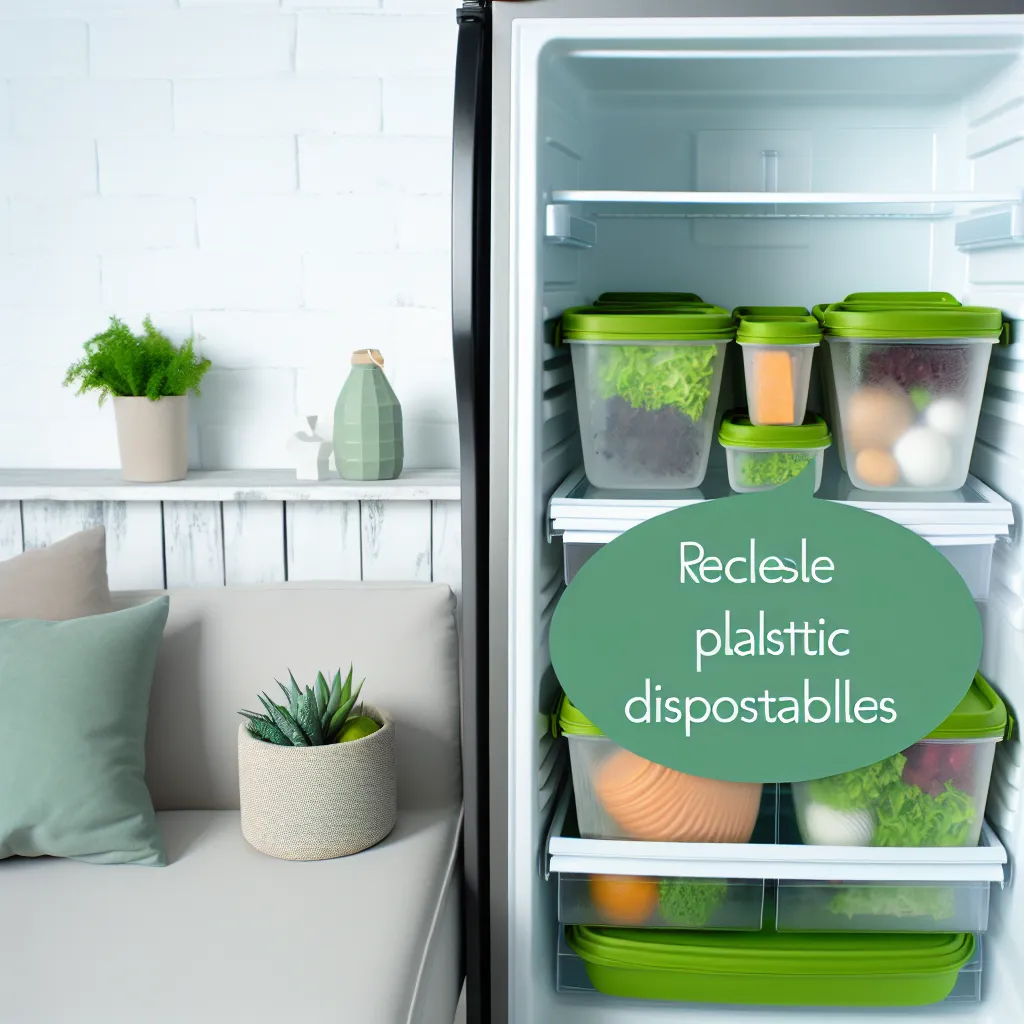
Replace disposable plastic bags and wrap with durable glass or BPA-free plastic containers. They last years and keep food fresher.
Natural Preservatives
Use lemon juice, vinegar, or beeswax wraps to extend produce life naturally without chemicals or excessive plastic.
Bulk Storage
Buy in bulk when possible, portioning into reusable containers. Reduces packaging waste and often saves money.
Produce Preservation
Store vegetables in reusable produce bags or containers instead of plastic. Better for the environment and often keeps produce fresher.
Water Conservation
Efficient organization means less frequent fridge cleaning and food washing. Every gallon saved contributes to conservation.
Energy Efficiency
Organized refrigerators run more efficiently. Cool air circulates better, reducing energy consumption and utility bills.
Choosing Sustainable Storage Solutions
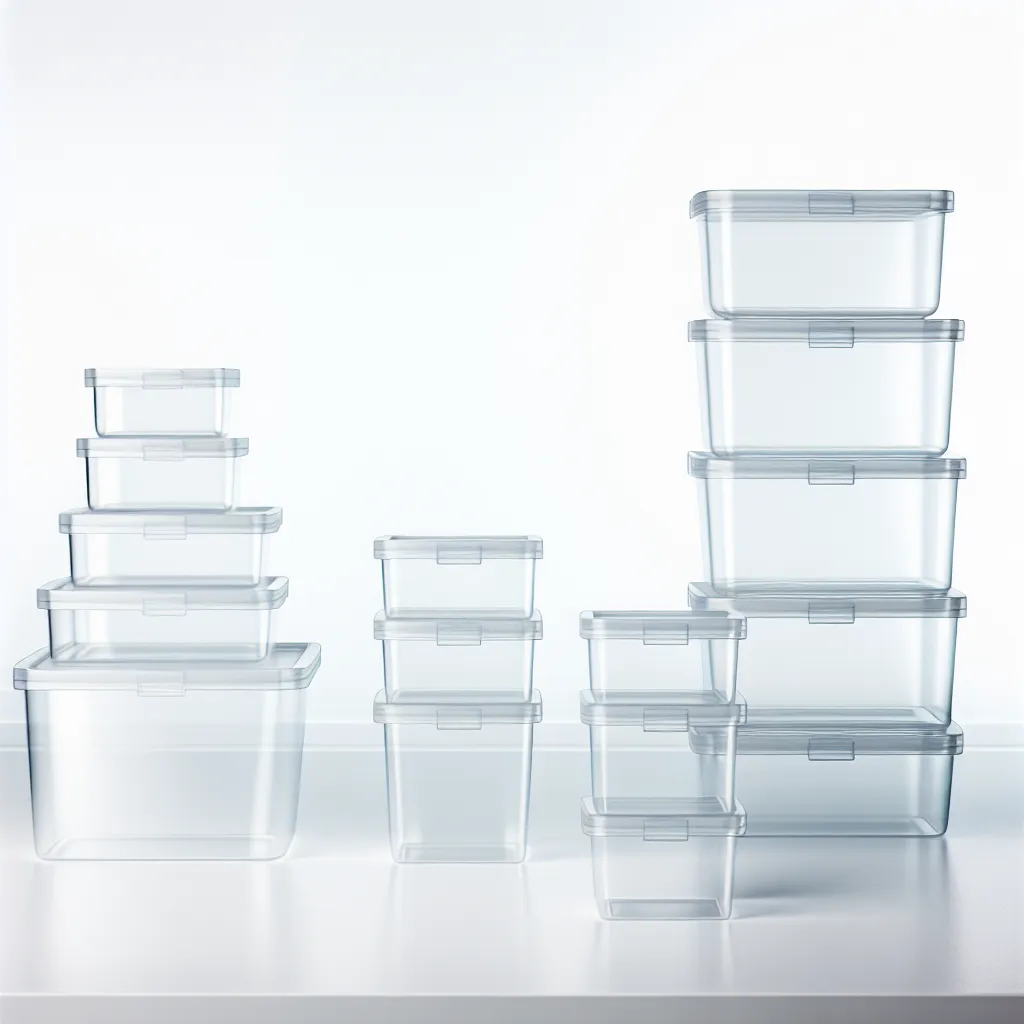
Not all containers are created equal. Making conscious choices about storage materials reduces environmental impact.
- Glass Containers: Infinitely recyclable, no chemical leaching, lasts decades
- Stainless Steel: Durable, recyclable, ideal for dry goods and leftovers
- Silicone: Flexible, long-lasting alternative to plastic bags
- Beeswax Wraps: Natural, reusable alternative to plastic wrap
- BPA-Free Plastic: If using plastic, choose BPA-free options and use for years
Composting and Beyond
Even with perfect organization, some food waste is inevitable. Creating a composting system for unavoidable waste completes the sustainability cycle.
- Vegetable peels and scraps
- Coffee grounds and tea bags
- Eggshells
- Small amounts of spoiled produce
Compost returns nutrients to soil instead of producing methane in landfills. Many municipalities now offer composting pickup, making it easier than ever.
Sustainable Shopping Habits
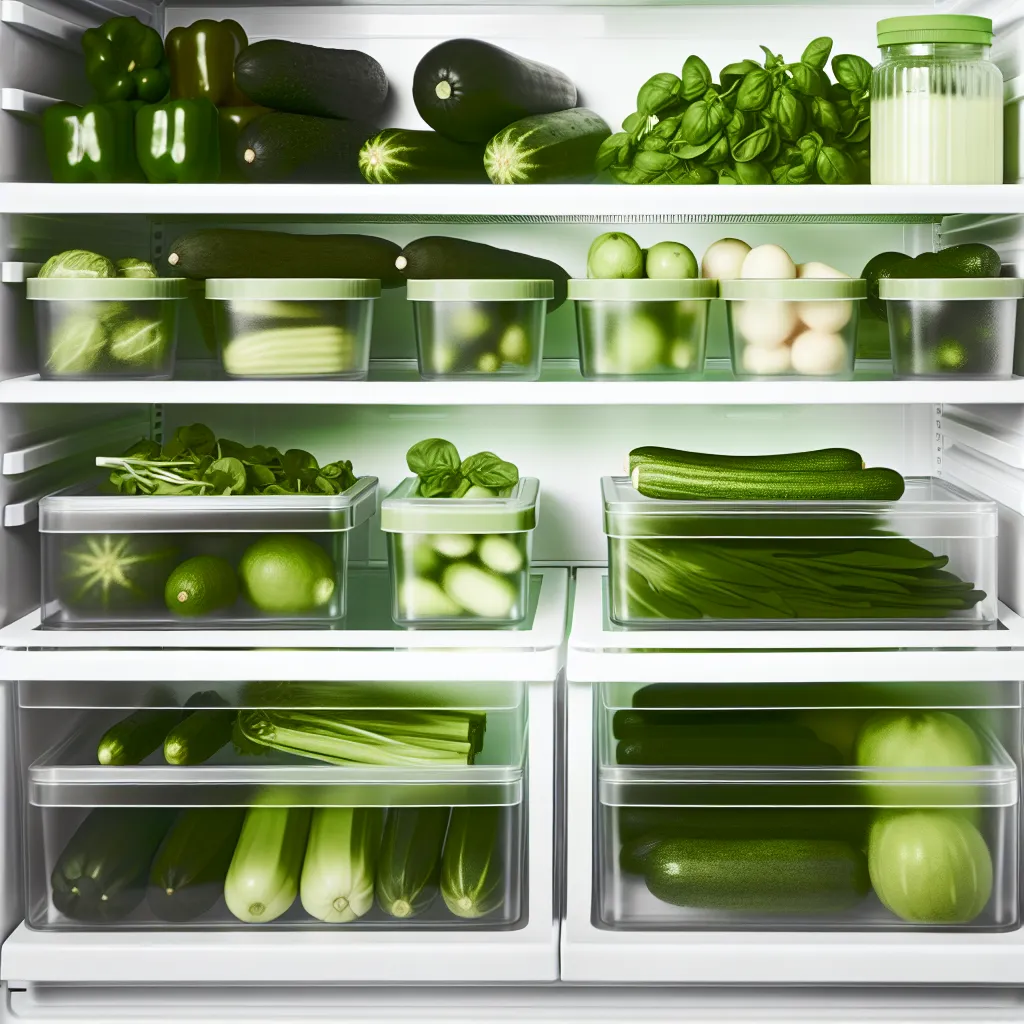
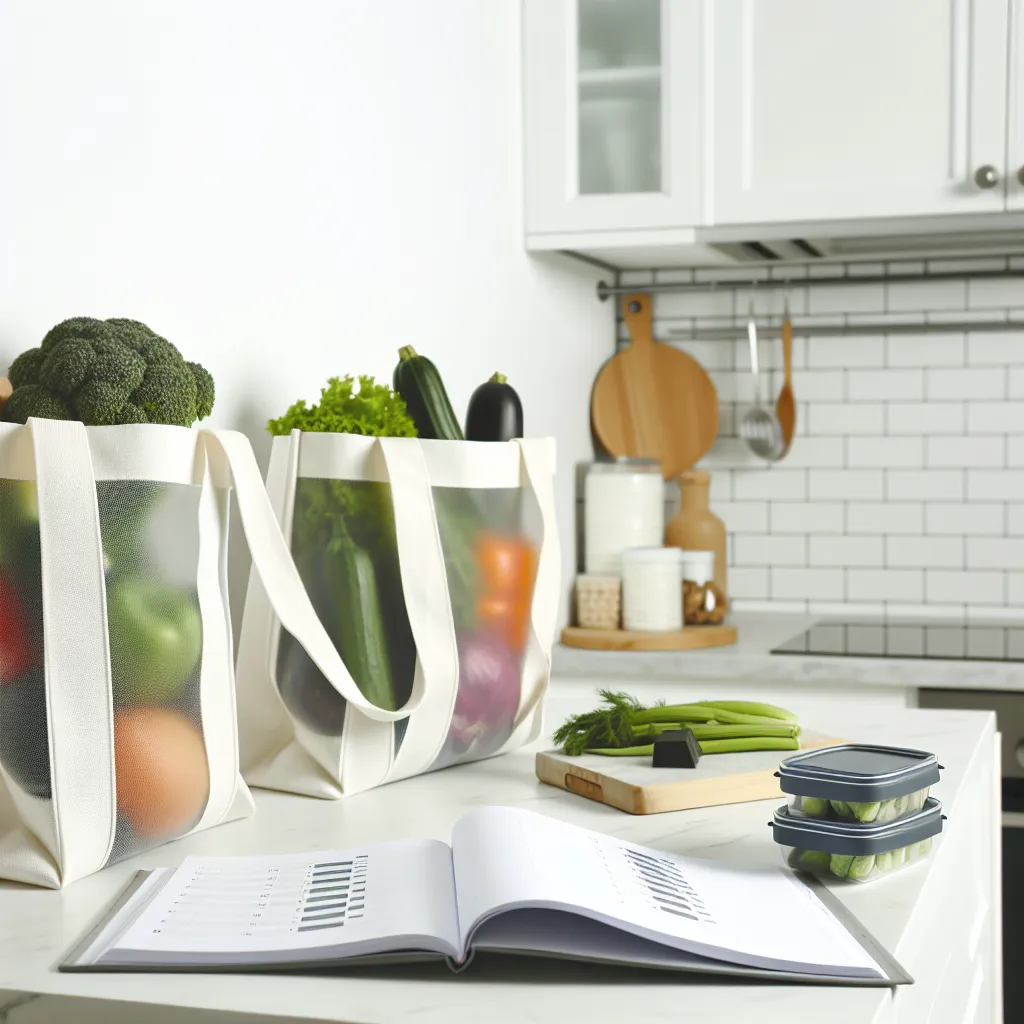
Organization extends beyond the refrigerator into how you shop. Knowing what you have prevents overbuying.
- Take inventory before shopping
- Create shopping lists based on actual needs
- Buy seasonal produce - fresher and lower carbon footprint
- Choose minimal packaging when possible
- Bring reusable bags and produce bags
- Support local farmers and reduce food miles
Your Impact Matters
Individual actions create collective change. When you reduce food waste through better organization, you're contributing to global sustainability efforts. Your organized refrigerator is more than convenient—it's an environmental statement.