Door Zone
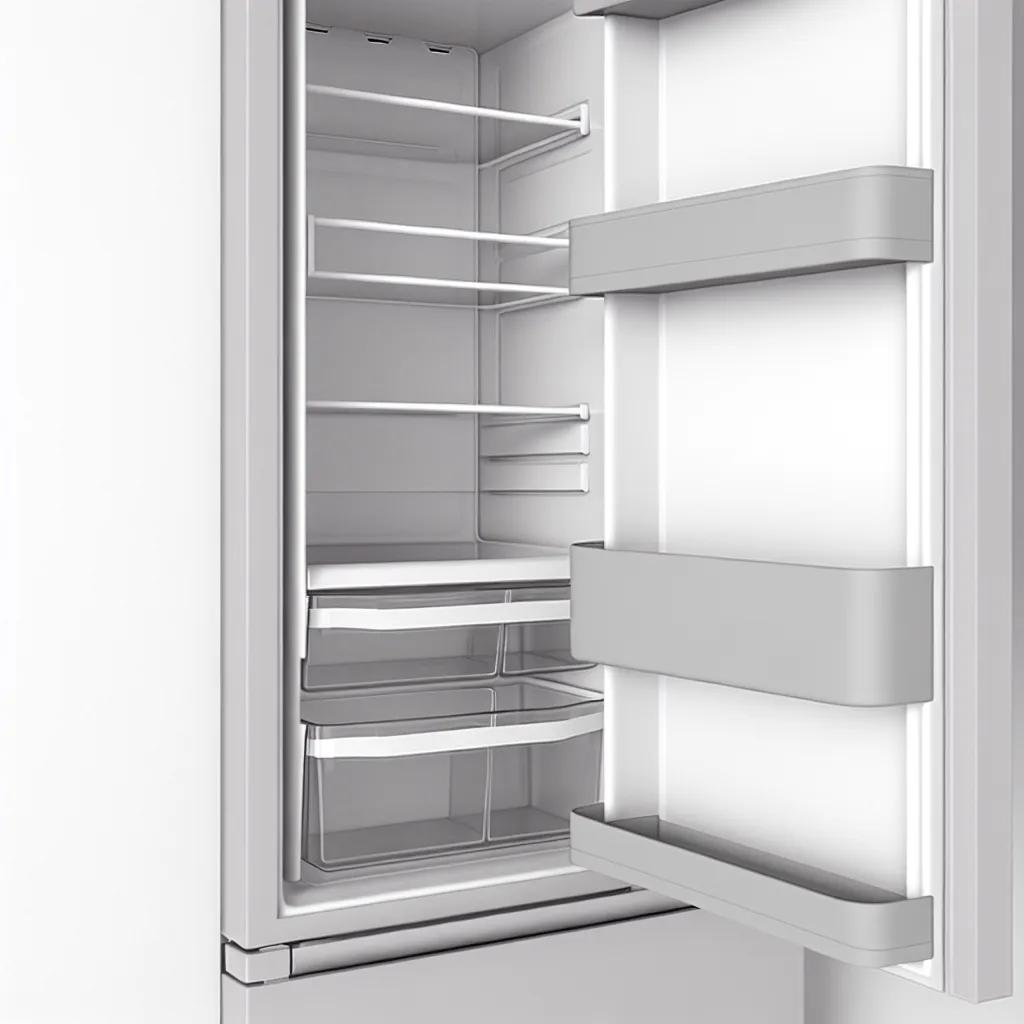
The refrigerator door is the warmest area due to constant temperature fluctuations. Store items here that are naturally more stable and used frequently.
- Condiments (ketchup, mustard, soy sauce)
- Salad dressings
- Jams and jellies
- Pickles and olives
- Soft drinks and water
Upper Shelf Zone
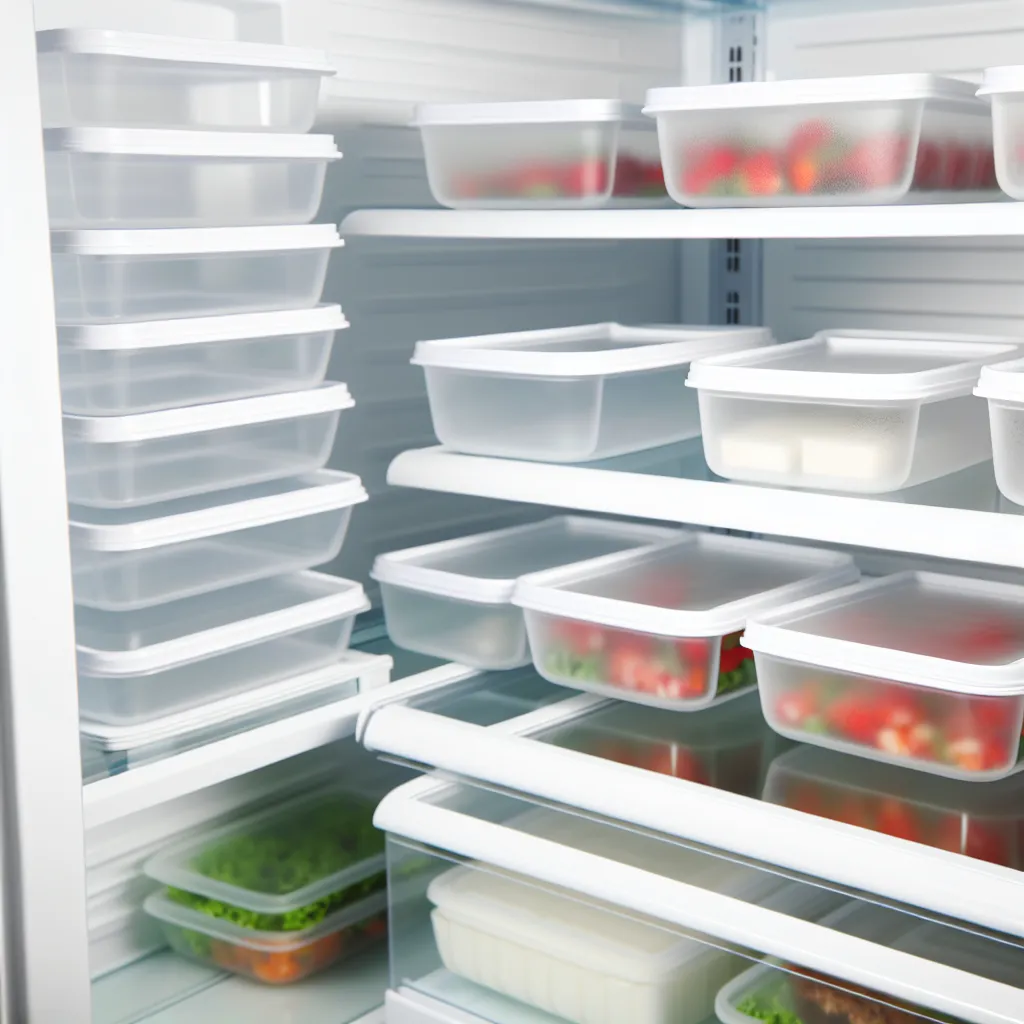
The upper shelves have the most consistent temperature and are ideal for ready-to-eat foods that don't need cooking.
- Leftovers in sealed containers
- Ready-to-eat meals
- Drinks and beverages
- Herbs in water
- Prepared foods
Middle Shelf Zone
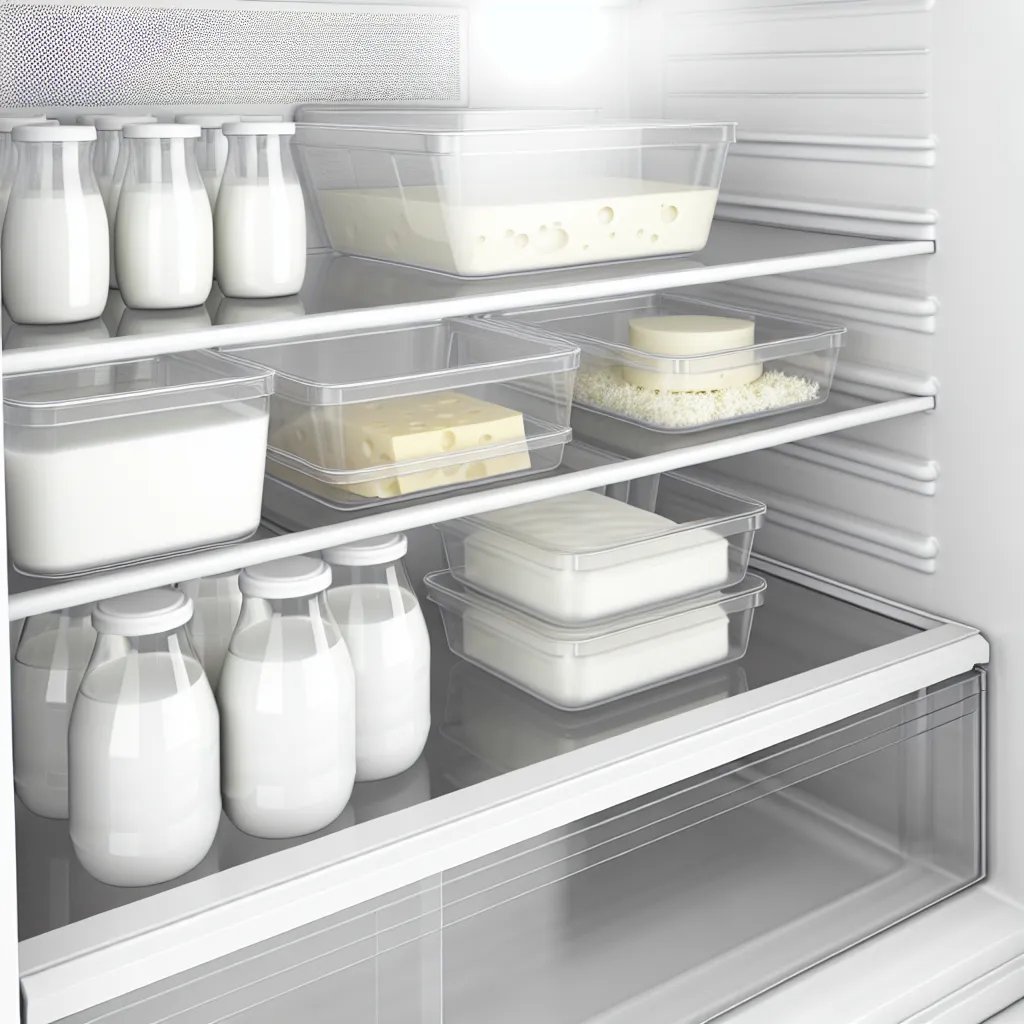
Middle shelves maintain stable, cool temperatures perfect for dairy products and eggs.
- Milk and dairy products
- Eggs (not in door!)
- Cheese
- Yogurt and sour cream
- Butter (if not in compartment)
Lower Shelf Zone
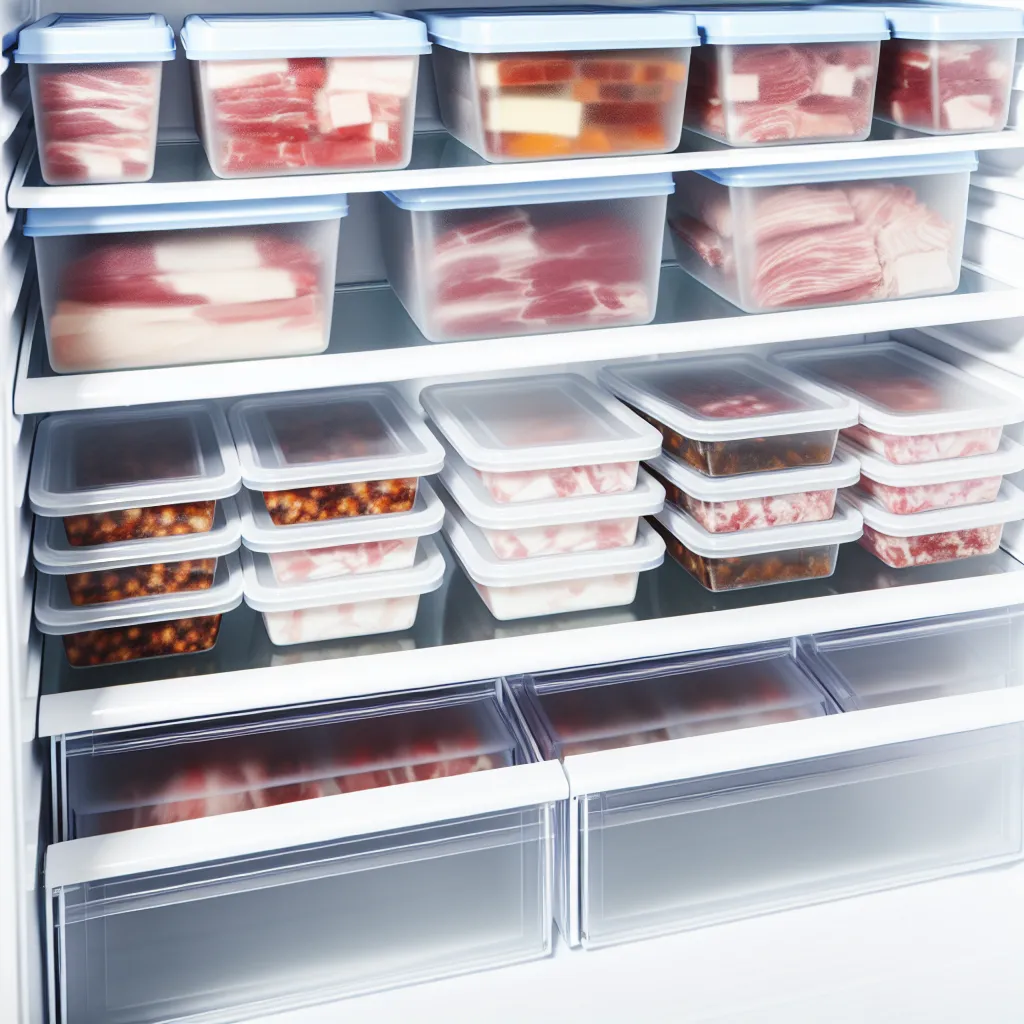
The coldest part of your refrigerator. Essential for raw proteins to prevent bacterial growth and cross-contamination.
- Raw meat (in sealed containers)
- Raw poultry
- Raw seafood
- Marinating meats
- Thawing frozen proteins
Crisper Drawer Zones
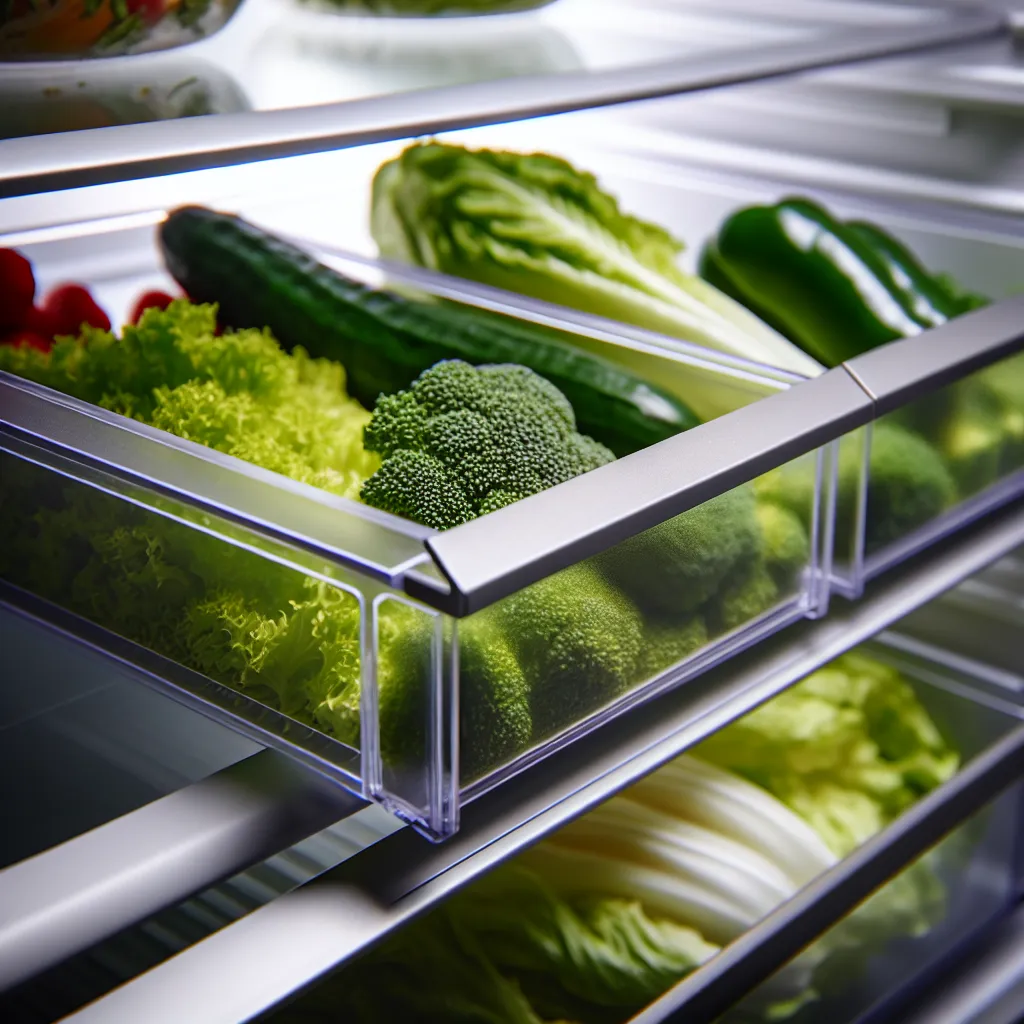
Two humidity-controlled zones for optimal produce storage. High humidity for vegetables, low humidity for fruits.
- High Humidity: Leafy greens, broccoli, carrots
- Low Humidity: Apples, pears, stone fruits
- Keep fruits and vegetables separate
- Store ethylene producers separately
- Don't overcrowd for air circulation
Specialty Zones
Create dedicated zones for specific needs to streamline your daily routine and meal preparation.
- Breakfast Zone: Yogurt, milk, eggs together
- Snack Zone: Kids' accessible healthy snacks
- Meal Prep Zone: Pre-portioned meals
- Beverage Zone: Drinks organized by type
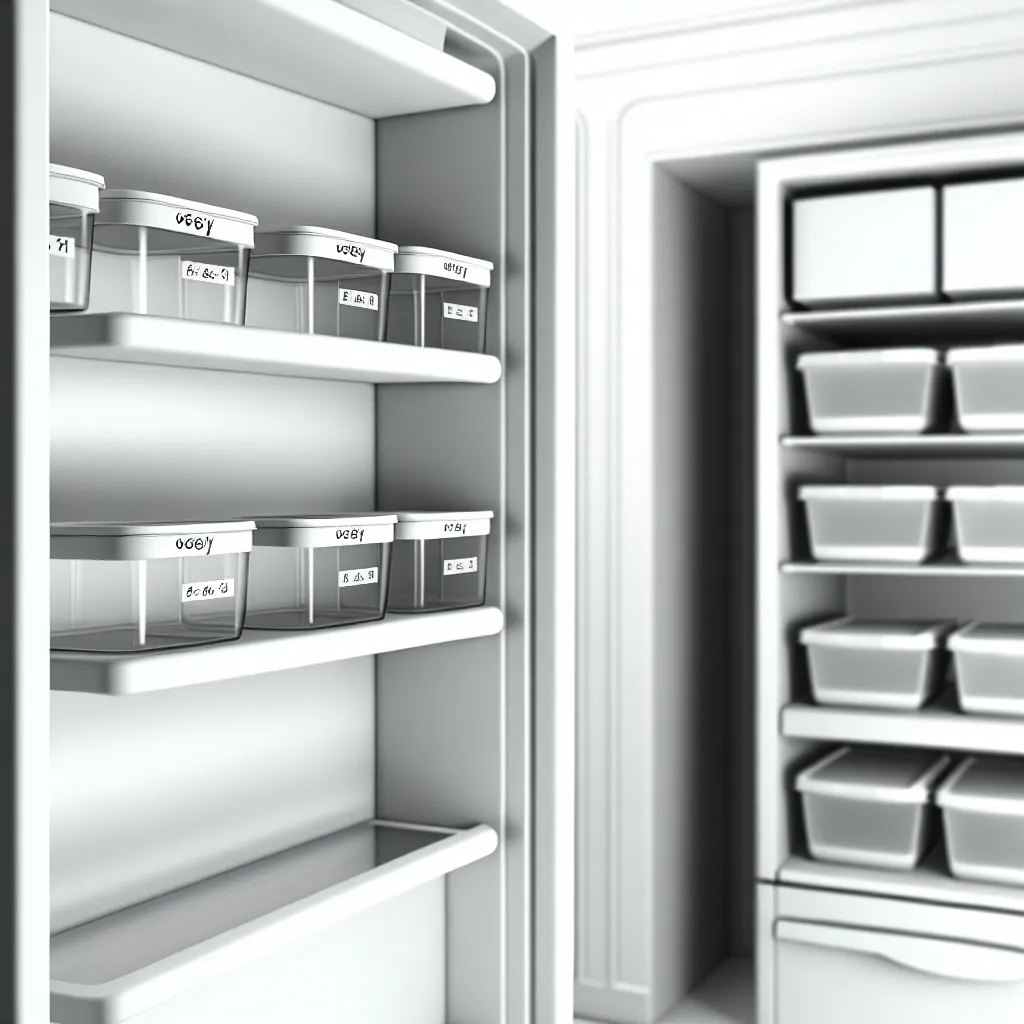
- Leftover Zone: Clearly labeled containers